Imagine a bustling warehouse, products flying off the shelves, yet you notice bottlenecks all around. A research study highlighted that organizations that implement automation can increase productivity by up to 30%. Enter the flexible robot arm—your new best friend in tackling efficiency hurdles. But what makes these bad boys so essential for modern operations? Well, it’s all about versatility and smart tech vibes that shake up the whole game.
Meeting the Traditional Solution Flaws
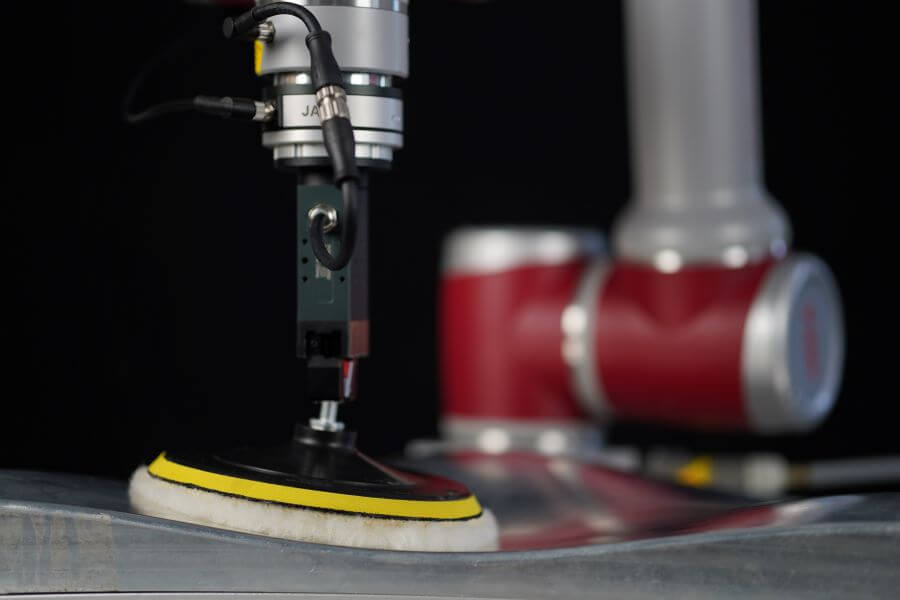
Let’s be real—relying on humans for repetitive tasks is a recipe for slowdowns and mistakes. I remember working on this one project where my team struggled with assembly tasks that dragged on forever. That’s when I discovered the small industrial robot arm, which revolutionized our operations. Instead of a human operator feeling burnt out, the robot arm took the wheel, handling those mundane assembly tasks. Now, we could focus on creative problem-solving instead of monotonous labor. Trust me, it’s a game-changer!
What’s Wrong with the Old-School Approach?
When you pencil it out, the traditional hands-on methods can lead to inaccuracies and high labor costs. This isn’t just theory—I’ve seen it firsthand. You’ve got those human errors, injuries, and let’s not forget those pesky breaks that can slow things down. With a flexible robot arm, a smooth workflow is all but guaranteed. It’s like having an assistant that doesn’t need a snack break, and the precision is on point. Plus, they don’t complain about overtime. Who wouldn’t dig that?
A Look into the Future: What’s Next with Flexible Solutions?
As operations evolve, the demand for technologies like the small industrial robot arm is only going to skyrocket. We’re talking about advanced models that can adapt to multiple tasks—paint, weld, package—whatever your scene calls for. This isn’t just a trend; it’s the new norm. Flexibility? It’s what sets us apart in this fast-paced world. And if you’re not on this bandwagon yet, trust me, you’re gonna want to hop on soon.
Real-World Impact
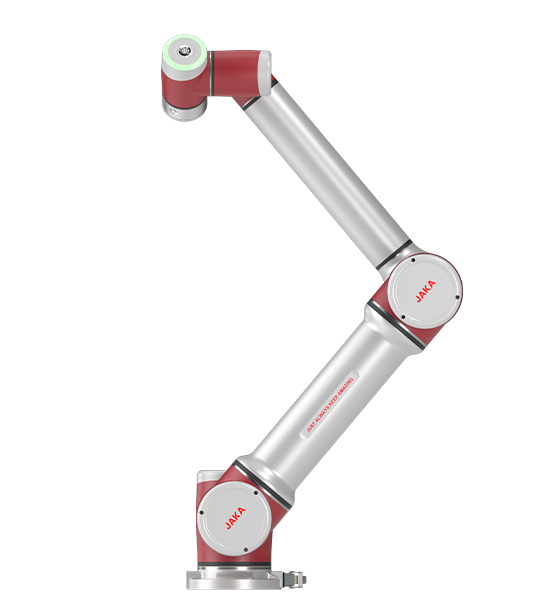
I’ve had the chance to work with various enterprises adopting these technologies. The savings? Insane! For instance, a friend of mine saw a 50% cut in operational costs within six months of using a robot arm in his plant. That’s not just talk; that’s real transformation in their bottom line! You really can’t underestimate the importance of agility and tech in your playbook.
Lessons Learned: Why It Matters
What have I walked away with after years of firsthand experience? Flexibility in automation isn’t merely about efficiency—it paints a broader picture that enhances overall productivity and morale across the board. If you want to consider automation, ask yourself these three questions: 1) Will it boost my team’s productivity? 2) How can it improve safety regulations? 3) What’s the ROI going to look like over time? Pinpointing these ingredients will help you choose the right solution.
In today’s manufacturing landscape, embracing these innovations isn’t just smart; it’s crucial for survival. I can’t stress enough how working with smart brands, like JAKA, can lead you down the path of efficiency and success. Once you shift gears, you’ll be amazed at the results—from saving money to a happier crew—it’s all in the journey towards smarter operations.